Hello, welcome to the official website of Zhan Yao Spraying!

Customer service hotline
+86 185 3326 7656
WeChat:+8618533267656
Mobile:+86 185 3326 7656
Whatsapp:+8618533267656
Email:info@powder-coatingline.com
Address:No. 55, Airport Road, Changshou Street, Xinle City, Shijiazhuang, Hebei Province
Frequent color changes can significantly reduce the effective production time of a powder coating line.
Even when spraying equipment has sufficient capacity, production may be interrupted by cleaning the spray booth, powder recovery system, feed hoses, and spray guns before the next color can be introduced.
A fast color change system should therefore be designed as a complete powder handling and cleaning system, rather than simply adding a quick-change spray booth.
The main objective is to minimize powder residue throughout the entire delivery path while maintaining reliable powder recovery and coating quality.
Start with the Powder Flow Path
Before selecting equipment, identify every location where powder can remain during a color change.
A typical powder delivery and recovery system includes:
Powder supply and feed center.
Powder pumps and delivery hoses.
Automatic and manual spray guns.
Spray booth interior and workpiece supports.
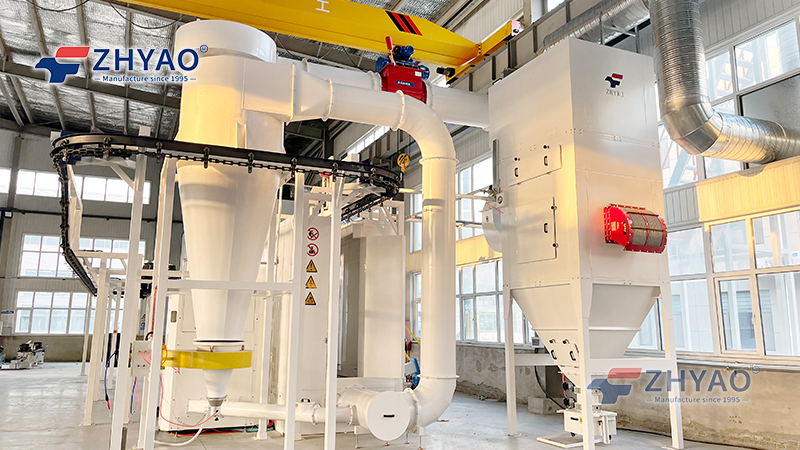
Powder recovery ducts and separation equipment.
Filters and powder collection areas.
Residual powder in any of these components can contaminate the next color.
For this reason, the system layout should allow operators to access, clean, or replace powder-contact components without unnecessary disassembly.
A shorter and more direct powder delivery path can also make cleaning easier.
Choose a Spray Booth Structure That Supports Cleaning
The spray booth is one of the most important parts of a quick color change system.
Powder can accumulate on booth walls, corners, floor surfaces, and around workpiece openings. If these areas are difficult to access, cleaning time increases.
Several design considerations are important:
Use smooth interior surfaces to reduce powder accumulation.
Minimize unnecessary corners, gaps, and difficult-to-reach areas.
Provide convenient access for cleaning.
Consider removable or quick-release booth components.
Design the booth opening and internal structure to support efficient powder removal.
For frequent color changes, a quick-change powder booth can be considered. Some systems use easily replaceable booth components or structures designed for rapid cleaning.
The choice depends on production volume, color frequency, available space, and investment budget.
Design the Powder Recovery System for Color Separation
Powder recovery is not only about collecting overspray. In a multi-color production environment, it must also prevent residual powder from entering the next color batch.
A centralized recovery system may be economical for production involving fewer color changes. However, cleaning shared recovery ducts, separators, and powder collection components can increase changeover time.
For frequent color changes, cartridge filter recovery systems or dedicated recovery arrangements may be worth considering, depending on the required powder recovery method and production conditions.
The key design considerations include:
Whether the recovery system is shared between different colors.
How easily collected powder can be removed.
Whether recovery ducts can be cleaned effectively.
How filters and powder collection areas are accessed.
Whether recovered powder is suitable for reuse under the required quality standards.
A dedicated recovery system for each color can reduce cross-contamination, but it requires additional equipment, space, and investment.
There is no need to install separate recovery equipment for every color in every factory. The decision should be based on color change frequency, batch size, powder cost, and coating quality requirements.
Make Powder Delivery Components Easy to Clean
Powder hoses, pumps, and spray guns are often overlooked during system design.
However, powder can remain inside hose connections, pump passages, and gun components after production stops.
To simplify cleaning:
Keep powder delivery hoses as short and direct as practical.
Avoid unnecessary bends and complicated connections.
Use suitable quick-release connections where appropriate.
Provide convenient access to powder pumps and feed components.
Consider automatic air-purge cleaning for compatible equipment.
Automatic purging can help remove residual powder from hoses and selected components, but it does not eliminate the need for inspection and manual cleaning.
The cleaning procedure should cover the entire powder delivery circuit, not just the visible spray gun surfaces.
Plan the Cleaning Sequence Before Equipment Installation
A fast color change system should have a defined cleaning sequence.
A practical procedure generally includes:
Stop powder feeding and spraying.
Remove or isolate the previous color supply.
Clean the spray guns, hoses, and powder pumps.
Remove residual powder from the booth interior.
Clean the recovery system and relevant ducts.
Inspect powder-contact areas for remaining contamination.
Introduce the new powder and confirm the spray quality before normal production resumes.
The exact procedure depends on booth construction, recovery technology, and powder handling equipment.
Cleaning access should be considered during the layout design stage. If operators need to dismantle several components just to reach powder accumulation areas, even advanced equipment may not deliver a short changeover time.
Match the System to the Production Schedule
Not every powder coating factory needs the same quick color change configuration.
The number of color changes per shift is important, but batch size matters just as much.
For example:
A factory producing one or two colors in long production runs may use a conventional booth and recovery arrangement.
A factory changing colors several times per shift may benefit from a quick-change booth and easier-to-clean powder delivery components.
A factory producing many small batches with strict color separation may need dedicated booths or separate powder recovery arrangements.
Production scheduling should also be considered. Grouping workpieces by color can reduce the number of cleaning operations required.
Sometimes improving the production schedule delivers greater savings than investing in additional equipment.
Common Design Mistakes That Increase Color Change Time
Several problems can undermine the performance of an otherwise well-designed system.
Focusing Only on the Spray Booth
A booth that is easy to clean does not guarantee a fast color change if powder remains in shared hoses, pumps, or recovery ducts.
The complete powder circuit must be considered.
Using an Oversized or Complicated Powder Delivery Layout
Unnecessary hose length, multiple connections, and difficult-to-access components increase cleaning work and the possibility of residual powder contamination.
Ignoring Color Change Requirements During Layout Design
If cleaning doors, removable components, and maintenance access are not planned in advance, operators may need to dismantle equipment or work in restricted spaces.
Choosing Equipment Without Considering Powder Quality Requirements
A recovery system that works well for one production schedule may not be suitable for another. Where color purity is critical, the reuse of recovered powder must be carefully controlled.
Design the Entire System Around Changeover Time
A fast color change system is the result of coordinated equipment design, not a single piece of machinery.
The spray booth, recovery system, powder supply, delivery hoses, and cleaning procedure must work together. Improving only one component may produce limited results if other parts of the system remain difficult to clean.
Before finalizing the design, confirm the number of colors, average batch size, color changes per shift, powder reuse requirements, and acceptable contamination level.
These details determine whether a conventional recovery system, quick-change booth, or dedicated powder handling arrangement is the more practical investment.
FAQ
1. What equipment is needed for a fast color change powder coating system?
A typical configuration may include a quick-change spray booth, accessible powder delivery hoses, easy-to-clean pumps and spray guns, and a recovery system designed to minimize cross-contamination. The exact equipment depends on color change frequency and production requirements.
2. Is a dedicated powder recovery system necessary for every color?
No. Dedicated recovery systems can reduce cross-contamination and cleaning requirements, but they increase equipment costs and space requirements. For factories with fewer color changes or longer production batches, a shared recovery system may be more economical.
What do you think of this article?
Copyright @ Hebei Zhanyao Intelligent Equipment Technology Co., Ltd. All Rights Reserved Record number:
Service Hotline


